01 / MOISTURE
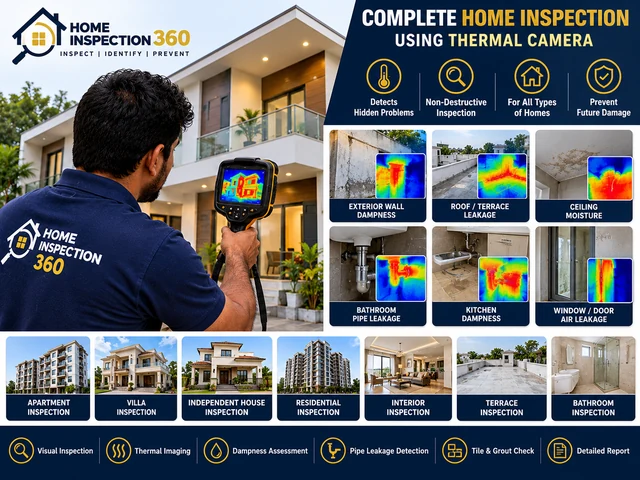
Dampness and Moisture Inspection
Check walls and ceilings for damp patches, peeling paint,
bubbling, salt deposits, staining and moisture-related
deterioration. Investigate possible causes such as plumbing
leakage, rainwater entry or waterproofing defects.
02 / WATER LEAKAGE
Water Leakage Investigation
Investigate reported leakage around bathrooms, kitchens,
ceilings, water tanks, accessible pipes and adjoining walls.
Suitable diagnostic checks may help narrow down possible
sources of leakage.
03 / MOULD
Mould and Fungal Growth
Identify visible mould-like growth, fungal staining,
musty odours and damp conditions in corners, cupboards,
bathrooms and poorly ventilated areas. The underlying
moisture source should be investigated.
04 / PLUMBING
Plumbing and Sanitary Fittings
Examine accessible taps, pipes, joints, valves, washbasins,
toilets, shower fittings, floor traps and drainage outlets
for visible drips, corrosion, loose connections and
leakage symptoms.
05 / ELECTRICAL
Electrical Fittings and Visible Defects
Visually check accessible switches, sockets, lights,
exposed wiring and distribution board exteriors for
damage or warning signs. Electrical testing and repairs
must be handled by a qualified electrician.
06 / WALL CRACKS
Wall Cracks and Plaster Damage
Document visible hairline cracks, plaster cracks, joint
separation, peeling paint and surface deterioration
on accessible interior and exterior walls. Suspected
structural issues require specialist assessment.
07 / CEILINGS
Ceiling and Slab Surface Inspection
Check accessible ceilings for water stains, dampness,
peeling paint, cracks and plaster damage. Document
visible concrete deterioration and exposed reinforcement
for appropriate specialist evaluation.
08 / TILES
Floor Tiles, Wall Tiles and Grouting
Inspect tiled surfaces for cracked or loose tiles,
open joints, missing grout, damaged sealant and
visible signs of water penetration around wet areas.
09 / BATHROOMS
Bathroom and Toilet Inspection
Examine tile joints, sanitary fittings, shower areas,
floor traps, washbasins, tap connections and adjoining
walls. Investigate reported seepage into nearby rooms
or ceilings where access permits.
10 / KITCHEN
Kitchen and Utility Inspection
Check sink connections, drainage pipes, counter joints,
splashback tiles, cabinet surroundings, washing-machine
connections and visible water staining in accessible
kitchen and utility areas.
11 / DOORS
Doors, Frames and Hardware
Check doors and frames for swelling, moisture damage,
loose hinges, alignment problems, laminate damage,
sticking, gaps and incomplete finishing.
12 / WINDOWS
Windows and Glass
Examine accessible window frames, glass panels, tracks,
sealant and drainage openings for gaps, damage and
possible rainwater entry. External high-level inspection
depends on safe access.
13 / INTERIOR
Interior Walls, Rooms and Hall
Inspect bedrooms, living rooms, halls, corridors and
storage areas for visible paint defects, dampness,
surface cracks, plaster damage and unfinished repairs.
14 / EXTERIOR
Exterior Walls and Elevation
Check accessible exterior walls and elevation finishes
for peeling paint, surface cracks, open tile joints,
deteriorated sealant, damp patches and weather-related
defects.
15 / TERRACE
Terrace, Roof and Waterproofing
Inspect safely accessible terrace surfaces for ponding
water, damaged waterproofing finishes, open tile joints,
visible cracks, blocked outlets and possible leakage
into the ceiling below.
16 / PARAPET
Parapet Walls and Water Tank Areas
Examine accessible parapet walls, terrace corners,
water tank surroundings and pipe openings for cracks,
gaps, unfinished plaster, dampness and potential
rainwater entry.
17 / BALCONY
Balcony and External Projection
Check accessible balcony floors, tile joints, drainage
outlets, wall junctions, visible railing fixings and
sealant for deterioration, standing water and possible
seepage into rooms below.
18 / STAIRCASE
Staircases and Landings
Inspect accessible staircases, landings, tile finishes,
handrails, wall joints, surface cracks and dampness.
Document loose or damaged components for follow-up.
19 / BEAMS AND COLUMNS
Visible Beam and Column Surfaces
Observe accessible surfaces for cracks, dampness,
concrete spalling, rust stains and exposed reinforcement.
This is a visual condition check, not a structural
safety certification.
20 / FIXTURES
Fixtures and Finishing Defects
Check accessible light fittings, exhaust fans, visible
AC drain outlets, service openings, skirting, ceiling
access panels, damaged fittings and gaps requiring
further inspection or sealing.
21 / DRAINAGE
Rainwater Pipes and Drainage
Examine visible rainwater pipes, elbows, joints and
accessible outlets for leaks, loose connections,
blockages and discharge issues that could contribute
to dampness.
22 / HEADROOM
Headroom and Overhead Clearance
Review accessible stair headroom, door and passage
clearance, overhead projections and visible obstructions.
Measurements can be recorded when included in the
agreed inspection scope.
23 / WOODWORK
Woodwork, Cabinets and Storage
Look for swelling, moisture damage, peeling laminate,
loose fittings, damaged skirting and deterioration
around wardrobes and accessible storage units.
24 / GENERAL
Other Visible Property Defects
Record damaged marble, granite or tiles, open service
penetrations, damaged plaster, incomplete finishing,
loose accessories, visible corrosion and other
accessible maintenance concerns.