logo
Residential Property Inspection Services

Property Inspection Services in Chennai for Homes, Flats and Villas

Looking for reliable property inspection services in Chennai before buying, taking handover, selling, renting or renovating a property? Home Inspection 360 checks accessible areas of apartments, independent houses and villas for visible defects, dampness, water leakage symptoms, damaged finishes and maintenance concerns. A property inspection can help you understand the condition of the home before making a decision.

Depending on the agreed scope, inspection services can cover interior and exterior areas, bathrooms, kitchens, ceilings, floors, doors, windows, visible plumbing and electrical fittings, balconies, terraces, parapet walls, staircases, drainage points and exterior walls. We document observations and recommend further specialist testing when needed.

Visual inspection · Moisture investigation · Photo documentation · Repair recommendations

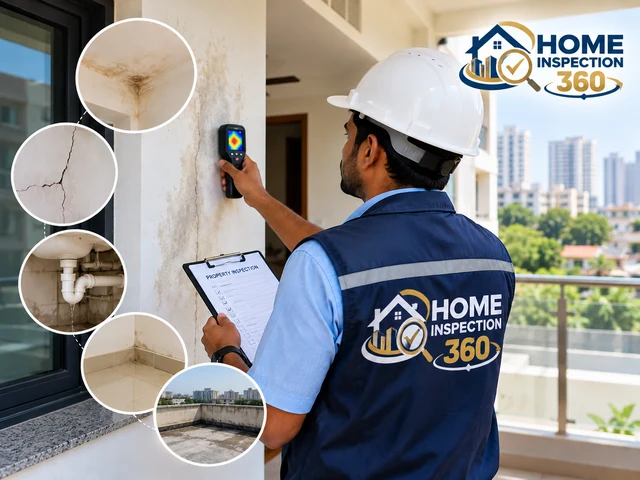
Home inspection professional examining visible residential property defects in Chennai
Property Condition Inspection in Chennai

What Is a Residential Property Inspection?

A residential property inspection is a systematic review of accessible areas and visible components of a house, flat or villa. It helps buyers, owners, landlords and tenants understand the property's observable condition, including maintenance defects, moisture symptoms, visible leakage indicators, damaged finishes and concerns that may need specialist investigation.

Home Inspection 360 records visible conditions and photographs where appropriate, and provides practical next-step recommendations. Depending on the agreed service and availability, moisture meters or thermal imaging cameras may support investigation of suspected dampness. These tools assist investigation but do not independently prove the exact source of a leak.

Our property inspection services in Chennai are suitable for prospective buyers, new-flat owners, resale property buyers, landlords, tenants, homeowners, property managers and people planning repairs or renovation.

What is a residential property inspection?

A residential property inspection is a systematic review of accessible areas and visible components of a house, flat or villa. It helps buyers, owners, landlords and tenants understand the observable condition of a property. Home Inspection 360 offers pre-purchase, new-home handover, resale, rental, dampness and water leakage inspections in Chennai.

Service
Property Inspection in Chennai
Best for
buyers, owners, landlords and tenants of houses, flats and villas
Methods
visual review of accessible areas, with further checks where agreed
Limits
concealed defects may need specialist testing
Where
Chennai, OMR, ECR, Kanchipuram, Tiruvallur and Chengalpattu (subject to availability)
Booking
Call or WhatsApp +91 9600696919, or use the booking form

Property Inspection Checklist for Houses, Flats and Villas

We inspect agreed and accessible property areas for visible defects. Actual coverage depends on access, safety and the scope confirmed before the visit.

01 / MOISTURE

Dampness and Moisture Inspection

Check walls and ceilings for damp patches, peeling paint, bubbling, salt deposits, staining and moisture-related deterioration. Investigate possible causes such as plumbing leakage, rainwater entry or waterproofing defects.

02 / WATER LEAKAGE

Water Leakage Investigation

Investigate reported leakage around bathrooms, kitchens, ceilings, water tanks, accessible pipes and adjoining walls. Suitable diagnostic checks may help narrow down possible sources of leakage.

03 / MOULD

Mould and Fungal Growth

Identify visible mould-like growth, fungal staining, musty odours and damp conditions in corners, cupboards, bathrooms and poorly ventilated areas. The underlying moisture source should be investigated.

04 / PLUMBING

Plumbing and Sanitary Fittings

Examine accessible taps, pipes, joints, valves, washbasins, toilets, shower fittings, floor traps and drainage outlets for visible drips, corrosion, loose connections and leakage symptoms.

05 / ELECTRICAL

Electrical Fittings and Visible Defects

Visually check accessible switches, sockets, lights, exposed wiring and distribution board exteriors for damage or warning signs. Electrical testing and repairs must be handled by a qualified electrician.

06 / WALL CRACKS

Wall Cracks and Plaster Damage

Document visible hairline cracks, plaster cracks, joint separation, peeling paint and surface deterioration on accessible interior and exterior walls. Suspected structural issues require specialist assessment.

07 / CEILINGS

Ceiling and Slab Surface Inspection

Check accessible ceilings for water stains, dampness, peeling paint, cracks and plaster damage. Document visible concrete deterioration and exposed reinforcement for appropriate specialist evaluation.

08 / TILES

Floor Tiles, Wall Tiles and Grouting

Inspect tiled surfaces for cracked or loose tiles, open joints, missing grout, damaged sealant and visible signs of water penetration around wet areas.

09 / BATHROOMS

Bathroom and Toilet Inspection

Examine tile joints, sanitary fittings, shower areas, floor traps, washbasins, tap connections and adjoining walls. Investigate reported seepage into nearby rooms or ceilings where access permits.

10 / KITCHEN

Kitchen and Utility Inspection

Check sink connections, drainage pipes, counter joints, splashback tiles, cabinet surroundings, washing-machine connections and visible water staining in accessible kitchen and utility areas.

11 / DOORS

Doors, Frames and Hardware

Check doors and frames for swelling, moisture damage, loose hinges, alignment problems, laminate damage, sticking, gaps and incomplete finishing.

12 / WINDOWS

Windows and Glass

Examine accessible window frames, glass panels, tracks, sealant and drainage openings for gaps, damage and possible rainwater entry. External high-level inspection depends on safe access.

13 / INTERIOR

Interior Walls, Rooms and Hall

Inspect bedrooms, living rooms, halls, corridors and storage areas for visible paint defects, dampness, surface cracks, plaster damage and unfinished repairs.

14 / EXTERIOR

Exterior Walls and Elevation

Check accessible exterior walls and elevation finishes for peeling paint, surface cracks, open tile joints, deteriorated sealant, damp patches and weather-related defects.

15 / TERRACE

Terrace, Roof and Waterproofing

Inspect safely accessible terrace surfaces for ponding water, damaged waterproofing finishes, open tile joints, visible cracks, blocked outlets and possible leakage into the ceiling below.

16 / PARAPET

Parapet Walls and Water Tank Areas

Examine accessible parapet walls, terrace corners, water tank surroundings and pipe openings for cracks, gaps, unfinished plaster, dampness and potential rainwater entry.

17 / BALCONY

Balcony and External Projection

Check accessible balcony floors, tile joints, drainage outlets, wall junctions, visible railing fixings and sealant for deterioration, standing water and possible seepage into rooms below.

18 / STAIRCASE

Staircases and Landings

Inspect accessible staircases, landings, tile finishes, handrails, wall joints, surface cracks and dampness. Document loose or damaged components for follow-up.

19 / BEAMS AND COLUMNS

Visible Beam and Column Surfaces

Observe accessible surfaces for cracks, dampness, concrete spalling, rust stains and exposed reinforcement. This is a visual condition check, not a structural safety certification.

20 / FIXTURES

Fixtures and Finishing Defects

Check accessible light fittings, exhaust fans, visible AC drain outlets, service openings, skirting, ceiling access panels, damaged fittings and gaps requiring further inspection or sealing.

21 / DRAINAGE

Rainwater Pipes and Drainage

Examine visible rainwater pipes, elbows, joints and accessible outlets for leaks, loose connections, blockages and discharge issues that could contribute to dampness.

22 / HEADROOM

Headroom and Overhead Clearance

Review accessible stair headroom, door and passage clearance, overhead projections and visible obstructions. Measurements can be recorded when included in the agreed inspection scope.

23 / WOODWORK

Woodwork, Cabinets and Storage

Look for swelling, moisture damage, peeling laminate, loose fittings, damaged skirting and deterioration around wardrobes and accessible storage units.

24 / GENERAL

Other Visible Property Defects

Record damaged marble, granite or tiles, open service penetrations, damaged plaster, incomplete finishing, loose accessories, visible corrosion and other accessible maintenance concerns.

Types of Property Inspection Services in Chennai

Choose an inspection based on the property stage and the concerns you want checked. The final checklist, tools, report and charges are confirmed before the visit.

01 / BUYING

Pre-Purchase Property Inspection

Inspect accessible areas of a flat, house or villa before purchase. Record visible cracks, dampness, leakage symptoms, damaged tiles, doors, windows and maintenance issues to support an informed buying decision.

02 / HANDOVER

New Flat Handover Inspection

Review visible finishing and installation concerns before or during handover, including paint defects, tile alignment and grout gaps, doors, windows, sanitary fittings, visible plumbing and electrical fittings.

03 / RESALE

Resale House and Apartment Inspection

Document the visible condition of an occupied or vacant resale property, noting observable defects and maintenance items that may need repair or further assessment.

04 / RENTAL

Rental Property Condition Inspection

Record visible conditions in rooms, bathrooms, kitchen, floors, walls, fixtures and doors before occupancy or at a tenancy transition, subject to access and agreed scope.

05 / LEAKAGE

Water Leakage and Dampness Inspection

Investigate reported stains, peeling paint, wet patches and seepage symptoms around ceilings, bathrooms, kitchens, terraces and adjoining walls. Further specialist testing may be needed for concealed leaks.

06 / BUILDING CONDITION

Visible Building Condition Inspection

Observe accessible walls, slabs, beams, columns, staircases and exterior surfaces for visible cracks, dampness, concrete deterioration or exposed reinforcement. This is not a structural safety certificate.

07 / PLUMBING

Plumbing and Drainage Inspection

Check accessible taps, sanitary fittings, visible pipe joints, drainage outlets and rainwater pipes for drips, loose connections, blockages or leakage symptoms. Concealed pipelines may require separate diagnostic testing.

08 / TERRACE

Terrace and Waterproofing Inspection

Review safely accessible terrace surfaces, parapet walls, water tank surroundings, outlets, tile joints and visible waterproofing defects that may be associated with water entry.

09 / RENOVATION

Pre-Renovation Property Inspection

Document visible defects and maintenance concerns before painting, waterproofing, bathroom renovation or other repair work to help plan the next steps.

Room-by-Room Home Inspection

A property inspection should consider adjoining areas because a defect may appear in a different location from its actual source. For example, dampness on a bedroom wall may be associated with an adjoining bathroom, concealed plumbing, terrace leakage or exterior rainwater entry.

Our inspection documents visible symptoms and investigates possible causes within the agreed scope. Further testing may be recommended where the source cannot be confirmed.

  • Living room and hall
  • Bedrooms and attached bathrooms
  • Kitchen and utility area
  • Common toilets and shower areas
  • Ceilings and accessible overhead areas
  • Doors, windows and wall junctions
  • Balconies, sit-outs and service areas
  • Staircases and landings
  • Terrace, roof and parapet walls
  • Accessible exterior walls and drainage points

Cross-Checking Water Leakage

If leakage is reported near a bathroom, ceiling or exterior wall, the inspection may include checking accessible adjoining areas, visible plumbing and related surfaces.

Moisture and Thermal Imaging

Suitable moisture meters or thermal cameras may assist investigation where available. Thermal patterns indicate temperature differences and do not, by themselves, confirm water or its source.

Photo Documentation

Photographs can document affected locations, visible damage and relevant findings. Reports should distinguish confirmed observations from suspected causes.

Important: Hidden plumbing, concealed wiring, covered structural components and inaccessible areas cannot necessarily be assessed through a non-invasive inspection.

Our Home Inspection Process

  1. Understand the Property

    Discuss the property type, reported defects, previous repairs and areas requiring attention.
  2. Inspect Accessible Areas

    Examine agreed interior, exterior and service areas, documenting visible defects and access limitations.
  3. Carry Out Suitable Checks

    Use appropriate available moisture measurement, thermal imaging or other non-invasive checks when relevant to the reported problem.
  4. Cross-Check Relevant Locations

    Compare reported symptoms with adjoining rooms, wet areas, accessible pipes, ceilings and exterior surfaces where appropriate.
  5. Document Findings

    Record observations, photographs, limitations and recommended next steps for repairs or further testing.

Home Inspection Report and Recommendations

The agreed inspection deliverable may include property details, photographs of visible defects, recorded observations, diagnostic readings where obtained, recommended next steps and a summary of inspection limitations.

Property Details

Property location, type, inspection date and areas accessed.

Photographic Findings

Photos and notes identifying observed defects and locations.

Moisture Observations

Reported leakage symptoms, relevant readings and possible sources.

Defect Priorities

Findings grouped by urgency, further investigation or routine maintenance.

Repair Guidance

Suggested next steps and specialist assessment where necessary.

Inspection Limitations

Inaccessible areas, concealed components and limitations affecting conclusions.

Scope: Repair quotations, destructive testing, electrical certification, laboratory mould analysis, plumbing pressure testing and structural engineering calculations are not automatically included. Confirm any additional services separately.
Chennai Service Coverage

Property Inspection Services Across Chennai and Nearby Areas

Home Inspection 360 accepts enquiries for property inspection in Chennai, including pre-purchase inspection, new flat handover inspection, resale property checks, rental condition inspections, dampness and water leakage investigation, bathroom inspection and visible building condition checks, subject to service availability.

Our service enquiries cover North Chennai, Central Chennai, South Chennai, West Chennai, OMR, ECR and nearby residential suburbs. Contact us to confirm availability for your property.

North Chennai Home Inspection

Tiruvottiyur, Ennore, Manali, Madhavaram, Kodungaiyur, Perambur, Vyasarpadi, Tondiarpet, Washermanpet, Royapuram, Korukkupet, Puzhal, Red Hills and nearby areas.

Inspection enquiries may involve wall dampness, terrace seepage, bathroom leakage, damaged tiles, plumbing concerns and visible plaster defects.

Central Chennai Home Inspection

T. Nagar, West Mambalam, Nungambakkam, Egmore, Kilpauk, Purasawalkam, Chetpet, Choolaimedu, Kodambakkam, Vadapalani, Ashok Nagar, Saidapet, Guindy and surrounding areas.

Common inspection requests include apartment condition checks, bathroom seepage, wall cracks, damaged paint and interior finishing defects.

South Chennai Home Inspection

Adyar, Besant Nagar, Thiruvanmiyur, Velachery, Madipakkam, Nanganallur, Adambakkam, Alandur, Keelkattalai, Medavakkam, Pallikaranai and Perungudi.

Inspection scope may include moisture-affected walls, bathroom grouting, balcony seepage, ceiling dampness and kitchen plumbing concerns.

West Chennai Home Inspection

Porur, Valasaravakkam, Virugambakkam, Alwarthirunagar, Mogappair, Nolambur, Ambattur, Avadi, Poonamallee, Iyyappanthangal, Kattupakkam and Thiruverkadu.

Enquiries may concern visible leakage, damp walls, cracks in plaster, terrace waterproofing defects, damaged tiles and plumbing issues.

OMR Home Inspection

Old Mahabalipuram Road areas including Perungudi, Thoraipakkam, Karapakkam, Sholinganallur, Navalur, Siruseri and nearby residential communities.

Apartment and villa inspection enquiries may include bathroom leakage, ceiling stains, balcony seepage, moisture-related paint damage and tile joint defects.

ECR Home Inspection

East Coast Road areas including Thiruvanmiyur, Palavakkam, Kottivakkam, Neelankarai, Injambakkam, Akkarai, Uthandi and nearby coastal residential locations.

Inspection concerns may include rainwater entry, exterior wall deterioration, roof defects, parapet wall cracks and damaged sealant.

Tambaram and Southern Suburbs

Tambaram, East Tambaram, West Tambaram, Selaiyur, Sembakkam, Chromepet, Pallavaram, Pammal, Anakaputhur, Perungalathur and Vandalur.

We welcome enquiries for independent houses, apartments, villas and visible property maintenance concerns.

Medavakkam and Nearby Areas

Medavakkam, Perumbakkam, Sithalapakkam, Kovilambakkam, Nanmangalam, Vengaivasal and nearby residential communities.

Inspection concerns may include bathroom seepage, dampness, terrace and balcony defects, water stains and plumbing leakage.

Other Chennai Residential Areas

We also welcome enquiries from nearby Chennai neighbourhoods and suburban areas. Share your locality and property details so availability can be confirmed.

The inspection scope, travel requirements and charges should be agreed before scheduling.

Nearby Districts We Serve

In addition to Chennai, Home Inspection 360 accepts enquiries for residential property inspections in Kanchipuram, Tiruvallur and Chengalpattu, subject to availability and the exact property location.

Looking for a home inspection in T. Nagar, a dampness inspection in Porur, water leakage detection in Velachery, bathroom leakage inspection in Medavakkam or terrace inspection in Tambaram? Contact us to discuss your inspection requirements.

Frequently Asked Questions

1. What is included in a complete home inspection?

The agreed scope can cover accessible rooms, walls, ceilings, floors, bathrooms, kitchens, doors, windows, visible plumbing and electrical fittings, terraces, balconies, parapet walls, staircases and exterior surfaces.

2. Can you inspect dampness and water leakage?

Yes. We can investigate visible dampness, stains, peeling paint and reported leakage. Concealed leaks may require additional specialist testing.

3. Do you use a thermal imaging camera?

Thermal imaging may be used when suitable and available. Temperature patterns can help identify anomalies, but a thermal image alone cannot confirm water leakage or its source.

4. Can you inspect bathroom tile gaps and grouting?

Yes. Accessible tiled areas can be checked for missing grout, open joints, damaged sealant and other visible defects. Further testing may be needed to establish whether these defects are causing water seepage.

5. Do you inspect terraces and parapet walls?

Yes. Accessible terrace surfaces, parapet walls, drainage points and visible waterproofing defects can be examined for maintenance concerns and possible water entry.

6. Do you inspect beams, columns and slabs?

Visible surfaces can be checked for cracks, dampness, spalling and exposed reinforcement. This does not constitute structural engineering assessment or a structural safety certificate.

7. Is electrical inspection included?

Visual checks can identify visible damage and potential electrical concerns. Electrical testing, circuit verification and certification must be undertaken by a qualified electrician where required.

8. Do you provide home inspection across Chennai?

We accept enquiries across Chennai neighbourhoods, including North, Central, South and West Chennai, OMR, ECR and nearby suburbs. Confirm availability for your specific address.

9. Do you cover Kanchipuram, Tiruvallur and Chengalpattu?

Enquiries are welcome for these districts. Service availability, travel requirements and inspection charges should be confirmed for the specific property.

10. Will the inspection identify every hidden defect?

No. A non-invasive inspection is limited to accessible areas and the methods used. Concealed plumbing, hidden wiring and inaccessible components may require specialised testing.

11. How can I book an inspection?

Call or WhatsApp Home Inspection 360 with your locality, property type and main concerns. We can then discuss availability, charges, scope and report deliverables.

Important Inspection Limitations

Inspection findings describe conditions observed during the visit and within the agreed scope. Not every concealed defect can be identified through visual or non-invasive methods. Moisture readings and thermal patterns require appropriate interpretation and may need independent verification.

This service is not a substitute for structural engineering assessment, electrical certification, statutory compliance checks, destructive testing or specialist laboratory analysis. Suspected structural movement, serious concrete deterioration or exposed reinforcement should be referred to a qualified structural engineer.

Book Property Inspection Services in Chennai

Buying a flat, taking possession of a new home, preparing a resale property or investigating dampness and leakage? Contact Home Inspection 360 to discuss property inspection services in Chennai and nearby areas.

Please share your property location, property type and the main concerns you would like inspected.

Where We Offer Property Inspection in Chennai

Home Inspection 360 accepts enquiries for property inspection across Chennai and nearby districts, subject to appointment availability, property access and the scope agreed before the visit. Localities we cover include:

Locality not listed? See the full service areas page, call or WhatsApp +91 9600696919, or book an inspection.